
Introduction to the Alliance
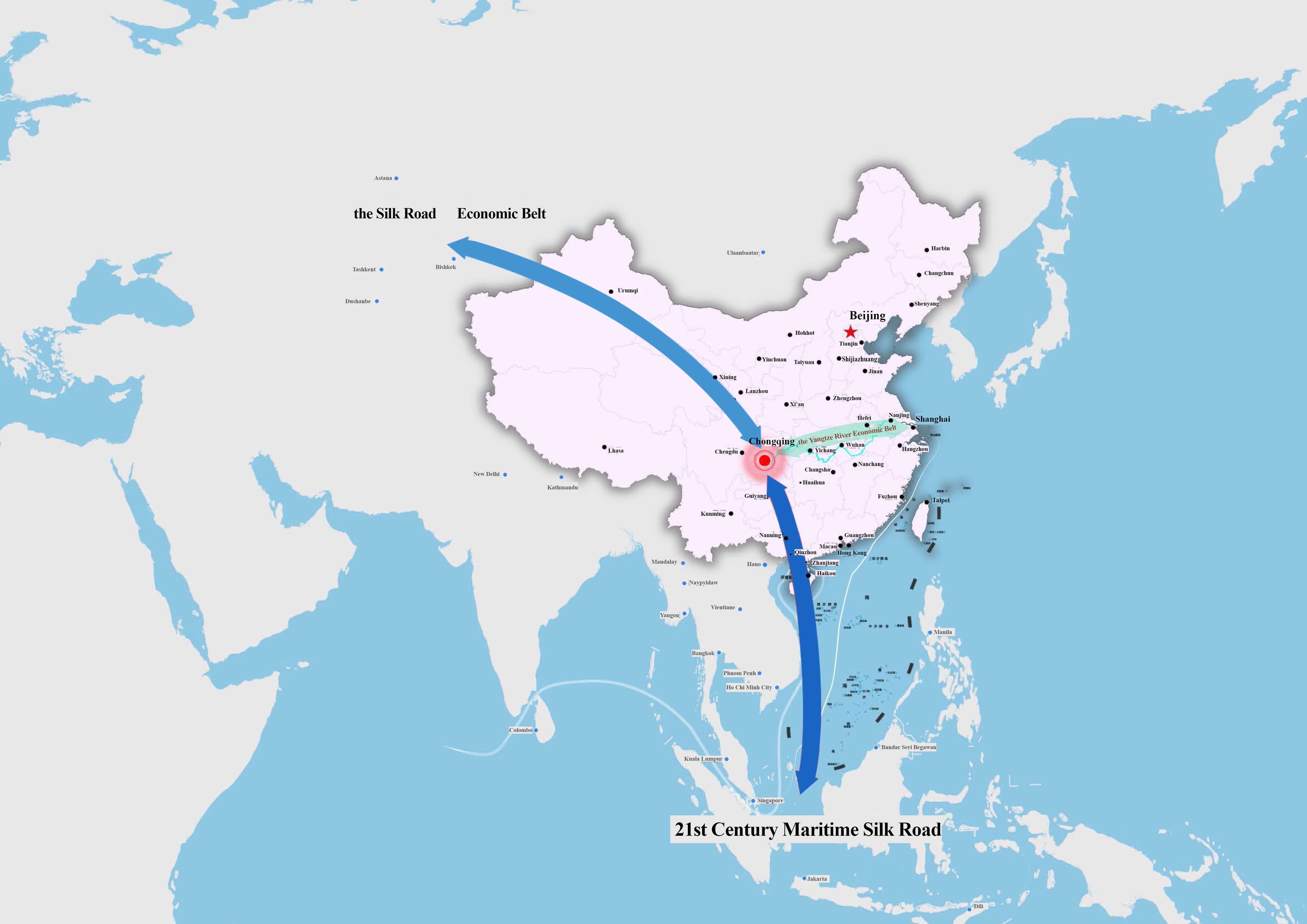 The New International Land-Sea Trade Corridor (ILSTC) is located in the hinterland of western China. It links the Silk Road Economic Belt to the north with the 21st Century Maritime Silk Road to the south, while integrating with the Yangtze River Economic Belt. It plays a pivotal role in promoting high-level opening-up and establishing a new development paradigm. Accelerating the ILSTC’s development is a key strategic task articulated at the 20th CPC National Congress and a major initiative under the Outline of the 14th Five-Year Plan for National Economic and Social Development (2021-2025) and the Long-Range Objectives Through 2035. The ILSTC is strategically vital for coordinated regional development, with Chongqing serving as its operational and organizational hub.To better leverage the role of the ILSTC, encourage the business communities of the countries and regions along the corridor to actively participate in its construction, and promote the formation of a favorable pattern of extensive consultation, joint contribution, and shared benefits, the China Chamber of International Commerce (CCOIC), together with 18 chambers of commerce from 17 countries along the ILSTC, co-founded the Alliance of the Chambers of Commerce and Industry of the New International Land-Sea Trade Corridor. The Alliance was officially inaugurated on November 26, 2024. As an important institutional arrangement under the ILSTC framework, the Alliance serves as a platform for business communities across participating countries to foster exchanges, promote coordinated regional economic development, and advance high-quality cooperation under the Belt and Road Initiative (BRI). Reflecting Chongqing’s role as the Logistics and Operation Organization Center for the ILSTC, the secretariat of the Alliance is located in Chongqing, responsible for the alliance’s business operations and daily affairs.
Main Functions
Guided by the principles of "extensive consultation, joint contribution, and shared benefits", the Alliance is mandated to facilitate the deep integration of transportation, logistics, trade, and industries among business communities of the participating countries. It primarily focuses on the following functions:
1.Promoting and facilitating trade cooperation
The Alliance leverages the "Quality Products from Land‑Sea Corridor" public‑service platform and establishes exhibition and sales centers to support member enterprises in building diversified marketing networks, increasing market share, expanding global presence, and contributing to trade growth.
2. Promoting and facilitating cross-border investment
The Alliance organizes trade and investment fairs to guide and support member enterprises in formulating prudent cross‑border investment strategies. It gathers feedback from member enterprises to address their needs, facilitates cross‑border investments, and promotes the execution of high‑quality foreign‑funded projects.
3. Promoting open cooperation in industrial and supply chains
The Alliance conducts research on the locational advantages and industrial characteristics of ILSTC countries, explores innovative cooperation models, and supports enterprises in more effectively participating in global division of labor and collaboration, thereby enhancing the resilience and stability of global supply chains.
4. Deepening commercial legal services collaboration
The Alliance will establish a commercial legal services platform to provide member enterprises with services in commercial mediation, international arbitration, intellectual property protection, compliance assurance, and legal consultation, thereby helping them mitigate risks and resolve disputes.
5. Strengthening information sharing and exchange
The Alliance will develop a digital platform for comprehensive foreign‑trade and economic services to disseminate information on trade policies, market demand, investment projects, exhibitions, events, and forums in ILSTC countries; to offer trade advisor services; to facilitate supply‑and‑demand matching; and to organize policy briefings and think‑tank exchanges.
6. Advancing mutual recognition of rules and standards
The Alliance will organize professional training sessions, seminars, and standards-alignment events to help enterprises understand international best practices, promote mutual recognition of rules and standards among member countries, and foster high‑quality industrial development.
